In the world of progressive agriculture, we’ve mastered tracking soil moisture. But as Kurt Grimm, CEO of NutraDrip, shared at the 2026 Agronomy Day in Hastings, Nebraska, staying ahead of the curve requires looking deeper than just “wet vs. dry.”
To hit that elusive 300-bushel corn mark, top-tier producers are now focusing on two often-ignored variables: Soil Oxygen levels and Irrigation Water Quality.
Beyond the Moisture Probe: The Role of Soil Oxygen
We’ve all seen it: a field that is perfectly “watered” according to a moisture probe, yet the crop looks stagnant. The culprit is often Soil Hypoxia (lack of oxygen).
Short Cycles vs. Saturation
Watering for 24 hours straight creates a saturated band where gravity wins and oxygen is pushed out. When oxygen leaves the soil, microbial activity stops and nutrient uptake stalls. At NutraDrip, we advocate for:
- Low-flow emitters (0.1 to 0.16 gph)
- Short, frequent cycles (e.g., 2 hours on, 2 hours off)
This “pulse” allows water to move up and out through capillary action rather than straight down, keeping the “sweet spot” of moisture and oxygen right at the root zone.
The New Frontier: Redox and Oxygen Sensors
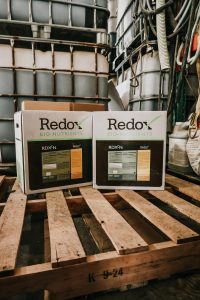
While moisture probes are essential, the next generation of AgTech involves Redox and Soil Oxygen sensors. By maintaining an oxygen level above 12%, you ensure the soil biology is functioning at peak performance. If you aren’t measuring oxygen, you might be over-irrigating your best yields away.
The “Water Quality Tax”: Is Your Water Tying Up Your Fertilizer?
Your irrigation water is the largest annual input on your farm. But is it an asset or a liability? In Nebraska and across the Midwest, we are seeing high levels of bicarbonates and sodium that act as an “antagonist” to your soil’s fertility.
- Bicarbonate Issues: If your bicarbonates are over 150 ppm, you are effectively tying up calcium, potassium, and magnesium.
- The “Scrubbed Sky”: In decades past, rainfall was acidic and contained free sulfur, which naturally treated “bad” water. Today, the air is cleaner, but the “free ride” is over. Farmers must now actively manage water pH and sulfur levels to unlock the nutrients already present in their soil.
Designing for the Future
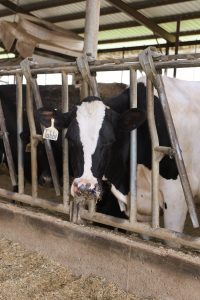
Whether it’s utilizing SDI for forage and livestock production or implementing automated fertigation through systems like Netafim’s GropSphere, the goal remains the same: Efficiency.
At NutraDrip, we don’t just sell parts; we design agronomic systems. From reservoir design in low-capacity areas to high-tech manure separation that turns waste into planter-ready fertilizer, we are here to help you navigate the complexities of 2026 farming.
Ready to see what’s actually happening in your soil?