This article is part of our SDI Install Series, where we walk through the full process of installing a Subsurface Drip Irrigation (SDI) system—from preparing the soil to turning the system on for the grower.
In the previous steps, the drip tape was installed in the field and the main pipes were delivered and trenched into place. Now it’s time to connect the system and build the infrastructure that will control and protect it.
This stage includes installing main and flush lines, connecting the drip tape rows, backfilling the trenches, and building the filter and valve stations that manage water flow across the field.
Building the Main and Flush Lines
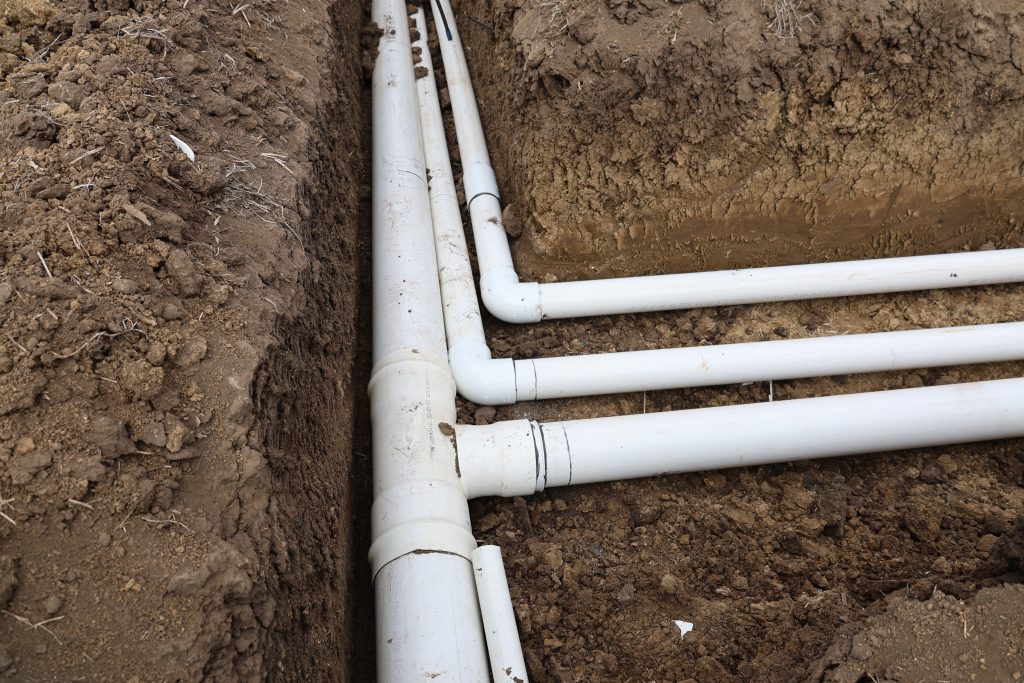
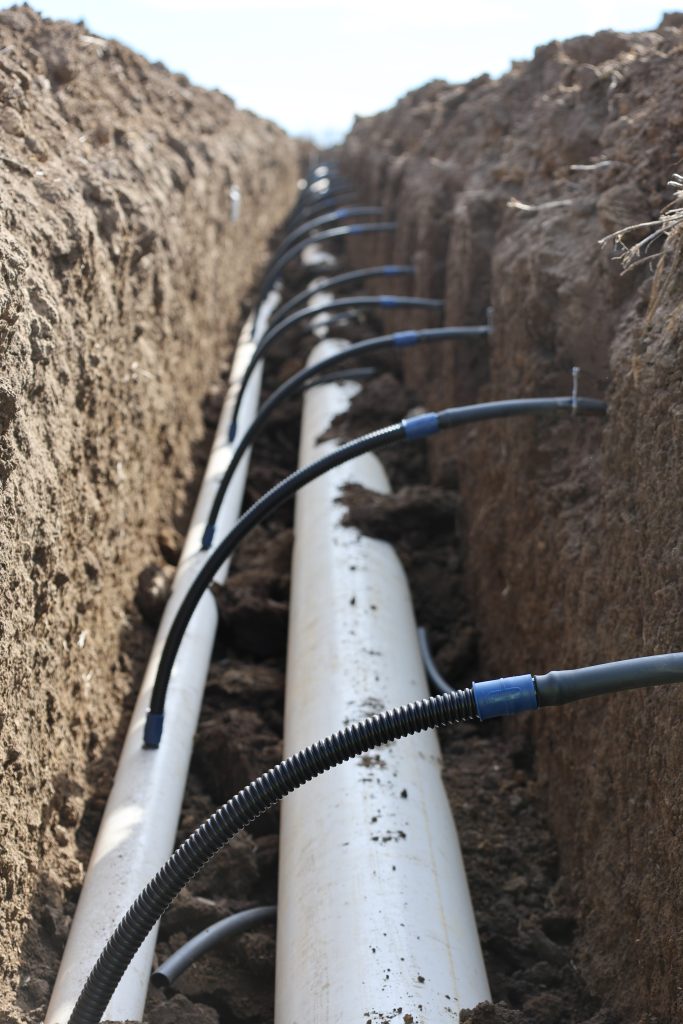
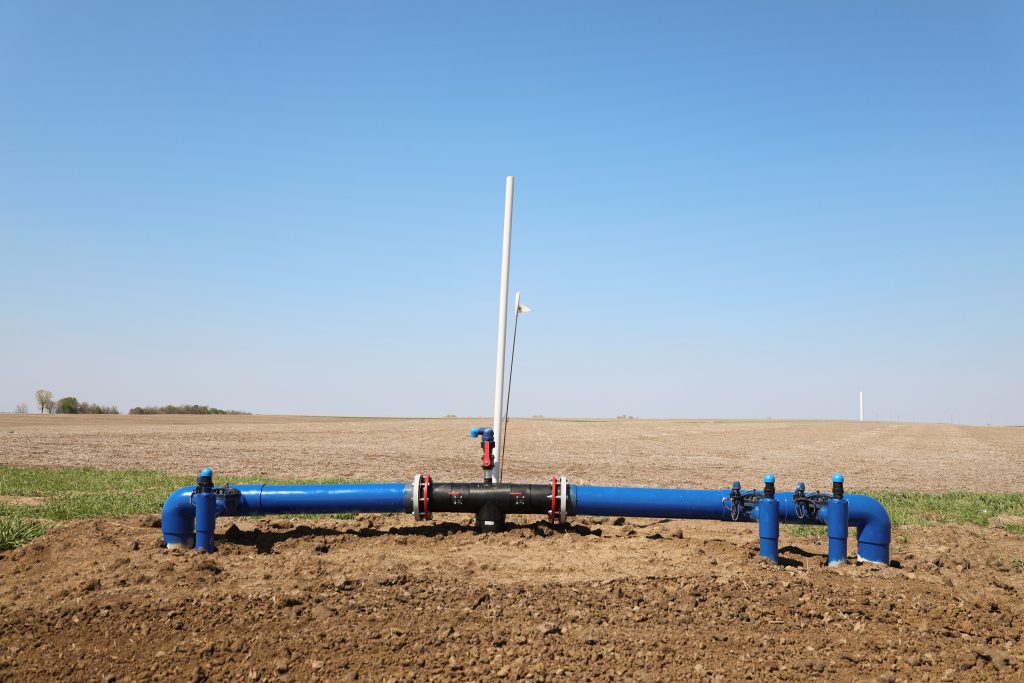
Main and flush lines run along the edges of the field and serve as the primary pathways that move water through the irrigation system.
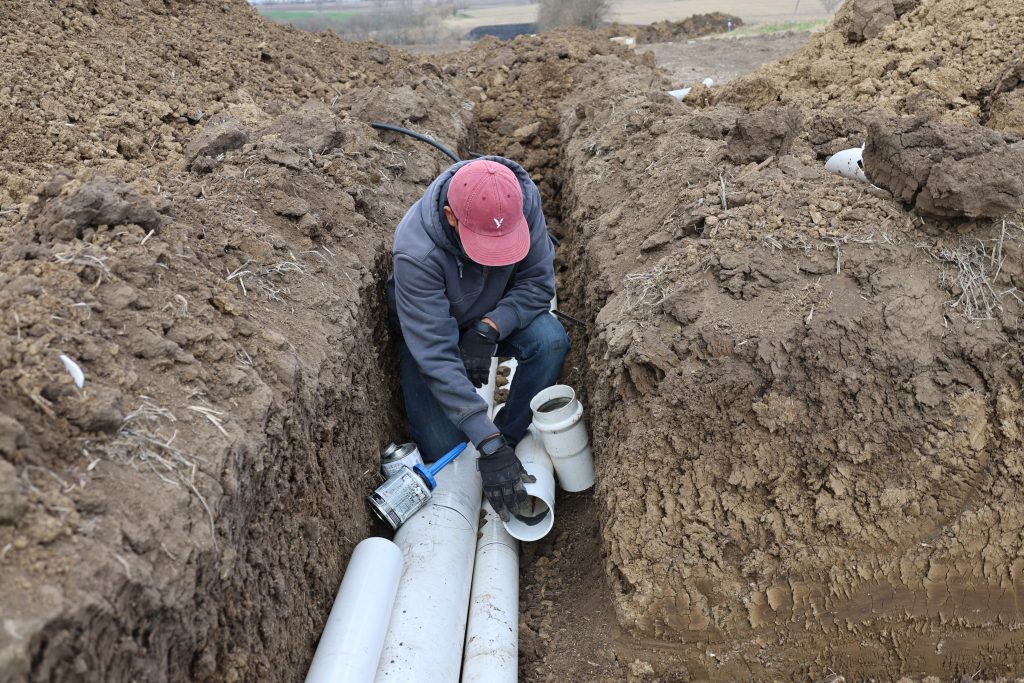
Crews measure and cut each pipe to the correct length before joining them together using a specialized adhesive that creates watertight seals. These sealed connections allow the system to maintain consistent pressure as water moves across the field.
The mainline carries water from the pump into the irrigation zones, while the flush lines allow the system to periodically flush sediment or debris from the drip tape. Together, these lines connect the underground infrastructure and prepare the system for the next step—connecting the tape rows.
Connecting the Drip Tape
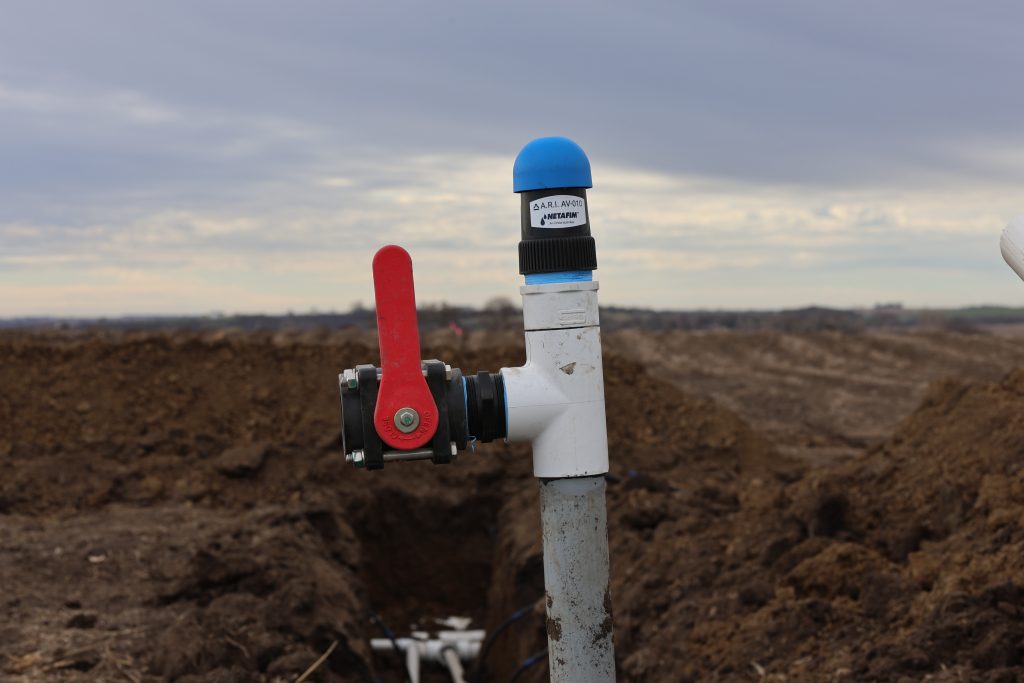
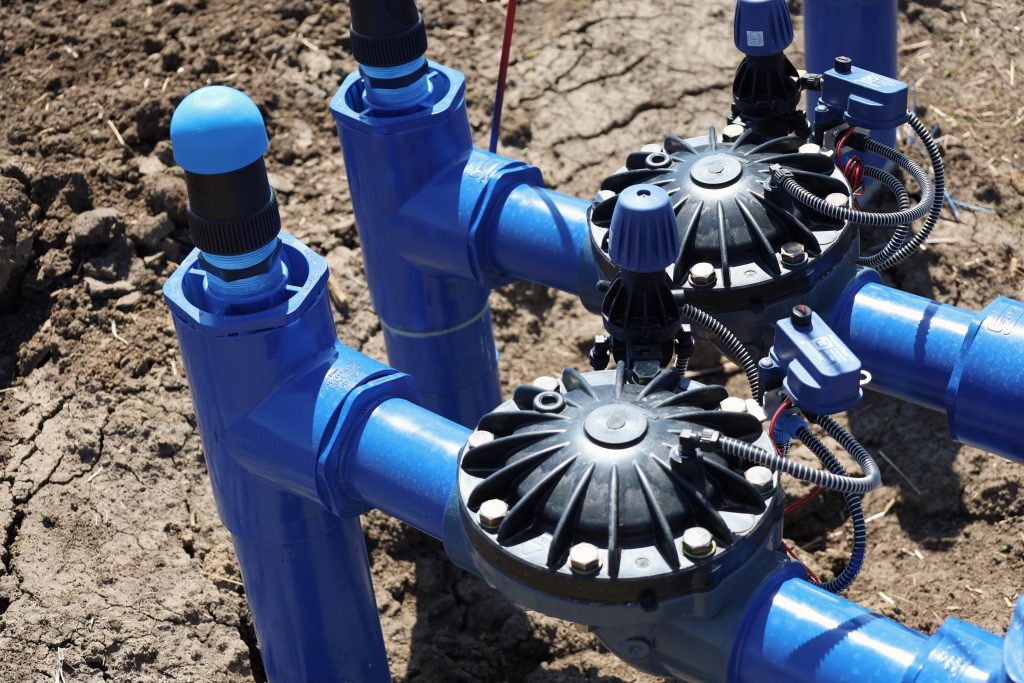
At the end of each row, the drip tape is connected to risers that link the tape to the main and flush lines.
One side of the riser feeds water into the drip tape, allowing irrigation to move through the emitters beneath the soil surface. The other side connects to the flush line, giving the system a way to flush the tape when needed.
Every connection must be carefully sealed and aligned to ensure the system maintains proper pressure and consistent flow across the field.
Backfilling the Trenches
Once the connections are completed, crews begin backfilling the trenches.
Using specialized equipment, soil is returned over the pipes and fittings while risers are held in place to maintain their position. This step protects the connections, secures the infrastructure underground, and restores the field surface.
Backfilling ensures that the irrigation network remains stable and protected as normal field operations resume.
Building the Filter Station
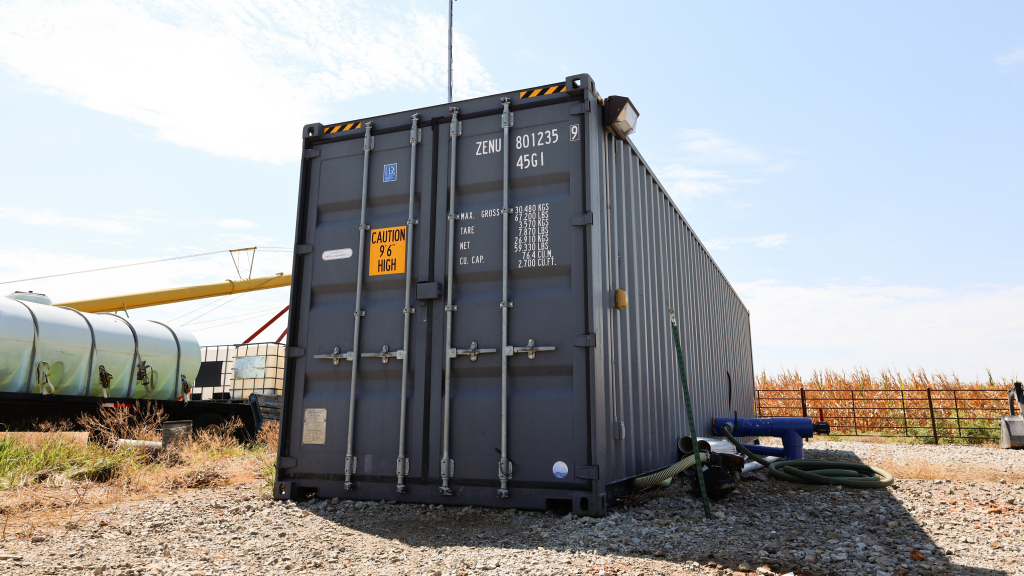
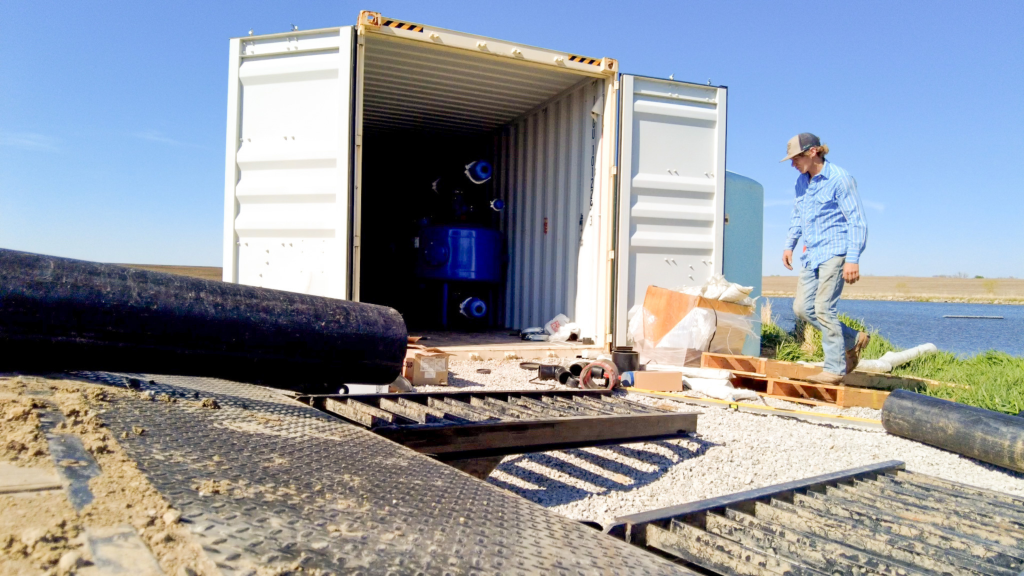
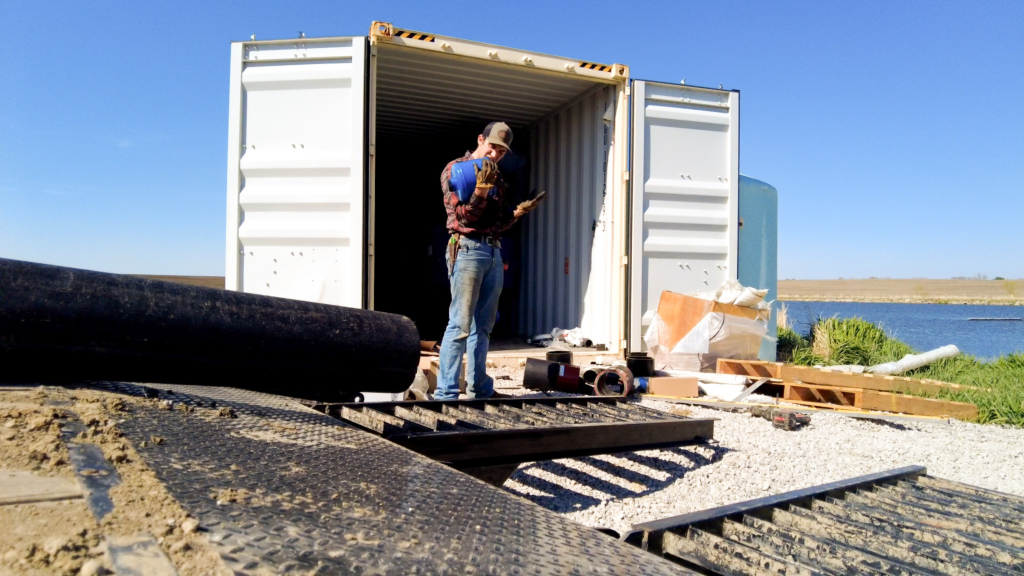
Before water reaches the drip tape, it must first pass through the filter station.
Filtration is one of the most important components of a subsurface drip irrigation system. Because the emitters in drip tape are small and operate underground, clean water is essential to preventing clogs and maintaining consistent system performance.
Filter stations often include sand media filters and other filtration components that remove sand, debris, and organic material from the water supply before it enters the irrigation network.
By filtering the water before it reaches the field, the filter station protects the drip tape and helps extend the life of the entire system.
Installing Valve Stations
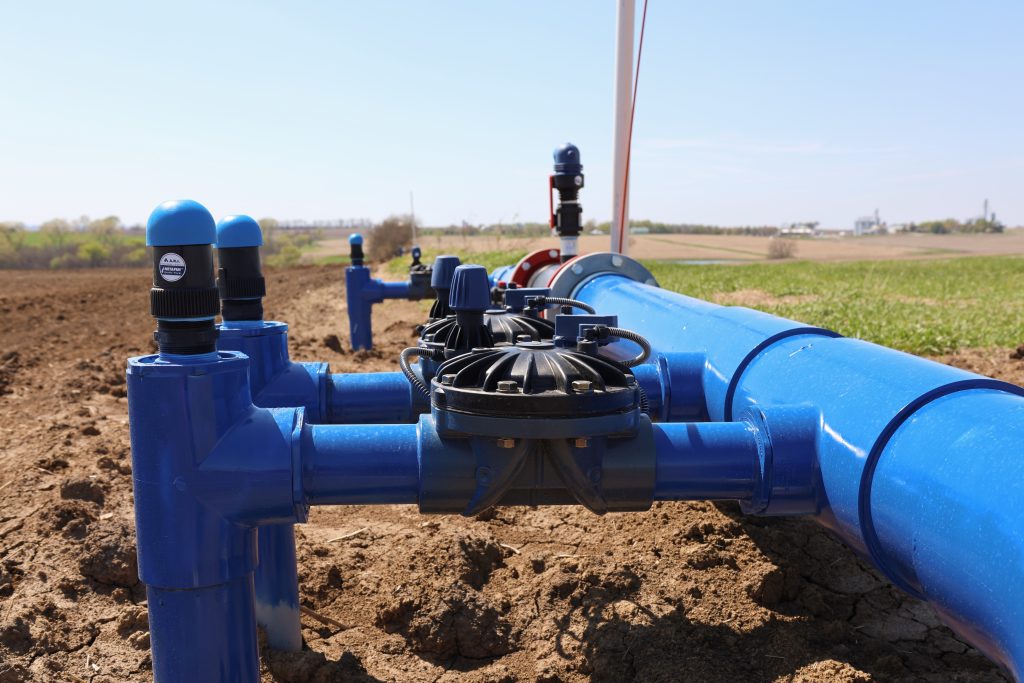
Along with filtration, valve stations play a key role in controlling the irrigation system.
Valve stations allow the system to be divided into zones, giving growers the ability to control when and where water is delivered across the field. Each zone can be managed independently, allowing irrigation to be adjusted based on crop needs, field conditions, or management strategy.
Together, valve stations and filter stations form the control center of the irrigation system, directing water where it needs to go while protecting the system components that operate underground.
What Comes Next
At this stage, the irrigation system is nearly complete. The tape is installed, the underground infrastructure is connected, and the control and filtration systems are in place.
In the final article of our SDI Install Series, we’ll cover the last steps before a system goes live—system checks, field repairs if needed, installing controllers, and training the grower to operate the system with confidence.
These final steps ensure the system is functioning properly and ready for years of reliable performance in the field.