In the previous article in our SDI Install Series, we walked through how drip tape gets installed in the field—from hauling and staging tape to plowing it into the soil and keeping the plow supplied as the installation moves across the field.
Once the tape is in the ground, the work isn’t finished. The next phase focuses on securing the tape and installing the infrastructure that will carry water across the entire system.
This stage includes wheel packing the soil, delivering the mainline and submain pipes, and trenching the lines that will supply water to each zone.
Wheel Packing: Securing the Tape Underground
After the SDI plow installs the drip tape, the soil above it needs to be firmly pressed back into place.
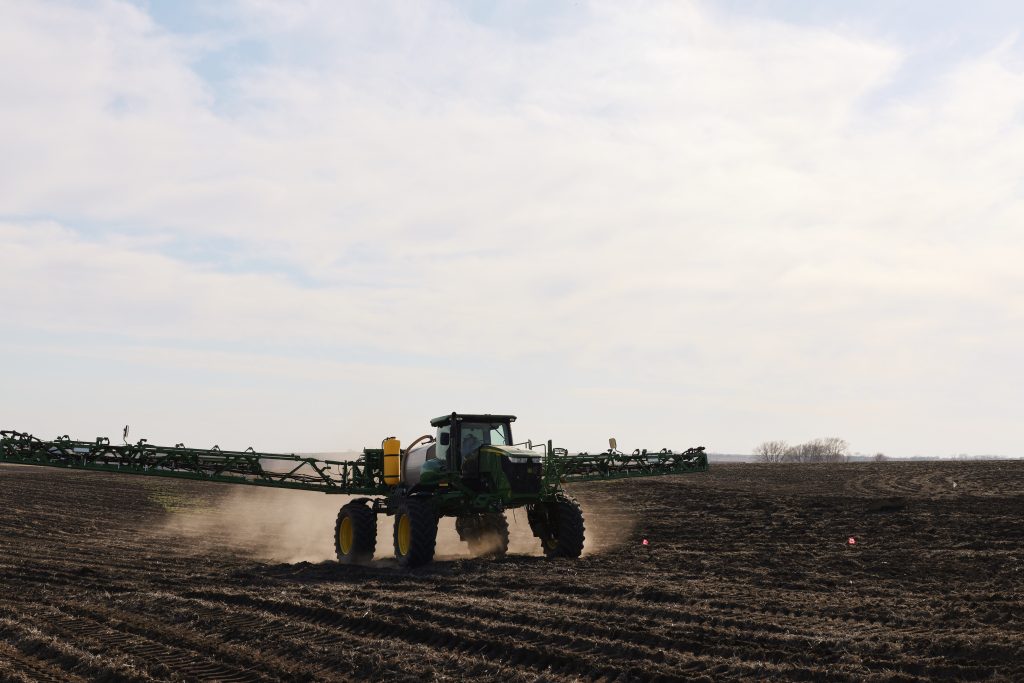
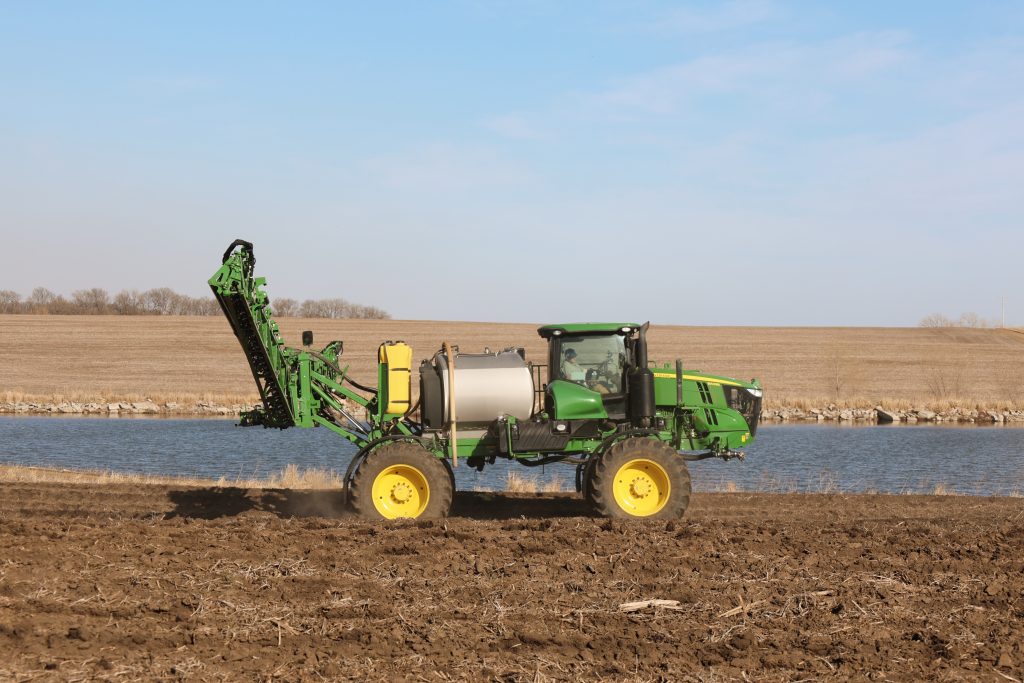
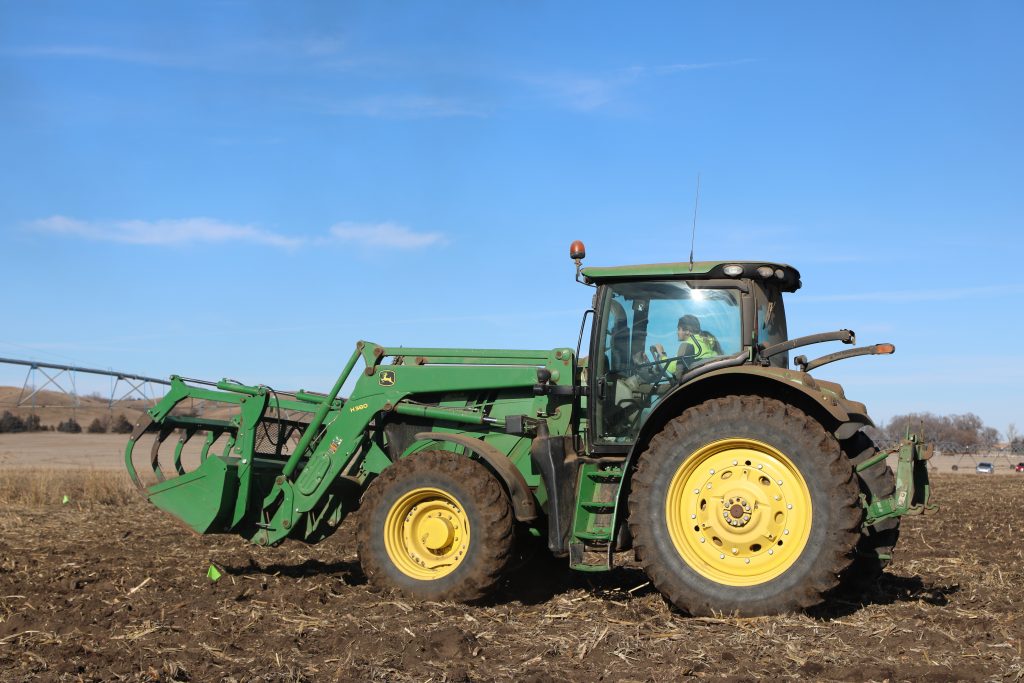
This step is called wheel packing. Using a large tractor or sprayer, crews drive across the field to pack the soil back down over the buried tape.
The goal is to close up any loose space left by the plow and return the soil to a firm, stable condition. This helps secure the tape in the ground and reduces the risk of rodents finding pathways down to the tape.
While it may look like a simple pass across the field, wheel packing plays an important role in protecting the system and helping ensure long-term reliability.
Pipes Arrive on Site
With the tape secured underground, the focus shifts to building the infrastructure that will feed the irrigation system.
Large mainline and submain pipes are delivered to the field and unloaded along the headlands of the installation area. These pipes are the backbone of the system, carrying water from the pump and distributing it across the field.
Once delivered, the pipes are staged along the areas where they will eventually be buried.
While much of this infrastructure will be hidden underground once the system is complete, it is a critical part of how the entire irrigation system operates.
Trenching the Lines
The next step is trenching the lines so the mainline and submain pipes can be installed underground.
Specialized trenching equipment cuts channels in the soil where the pipes will be placed. These trenches allow the pipes to run across the field edges and connect the water source to the drip tape zones installed throughout the field.
Once the pipes are laid in place, they will later be connected to the rest of the system—allowing water and nutrients to travel from the pump through the underground network and into the drip tape beneath the soil surface.
Building Toward a Complete System
At this stage of the installation, the field begins to take shape as a fully connected irrigation system. The drip tape is secured underground, and the infrastructure that will deliver water across the field is starting to come together.
Each step in the process builds on the one before it, turning a field into a carefully designed irrigation system.
What Comes Next
In the next article in our SDI Install Series, we’ll look at how the system is connected and sealed—including installing the main and flush lines, connecting drip tape to the risers, and backfilling the trenches that protect the system underground.
These connections tie the entire irrigation network together and prepare the system for the final stages of installation.