This article is the final part of our SDI Install Series, where we’ve walked step-by-step through the process of installing a Subsurface Drip Irrigation (SDI) system—from preparing the soil to connecting the underground infrastructure that delivers water across the field.
At this stage, the system is nearly complete. The drip tape is installed, the pipes are connected, and the filtration and valve stations are in place.
Now the focus shifts to making sure everything is working correctly and preparing the grower to run the system.
This final phase includes system checks, field repairs if needed, installing controllers, and training the customer on how to manage their new irrigation system.
Field Repairs and System Checks
Before a new SDI system is fully handed off, it must be tested.
Once water is turned on, the crew begins checking system pressure, flow rates, and filtration levels to make sure everything is operating the way it was designed. These checks help verify that water is moving evenly across the system and reaching each irrigation zone properly.
If any leaks or issues are discovered, the repair crew steps in.
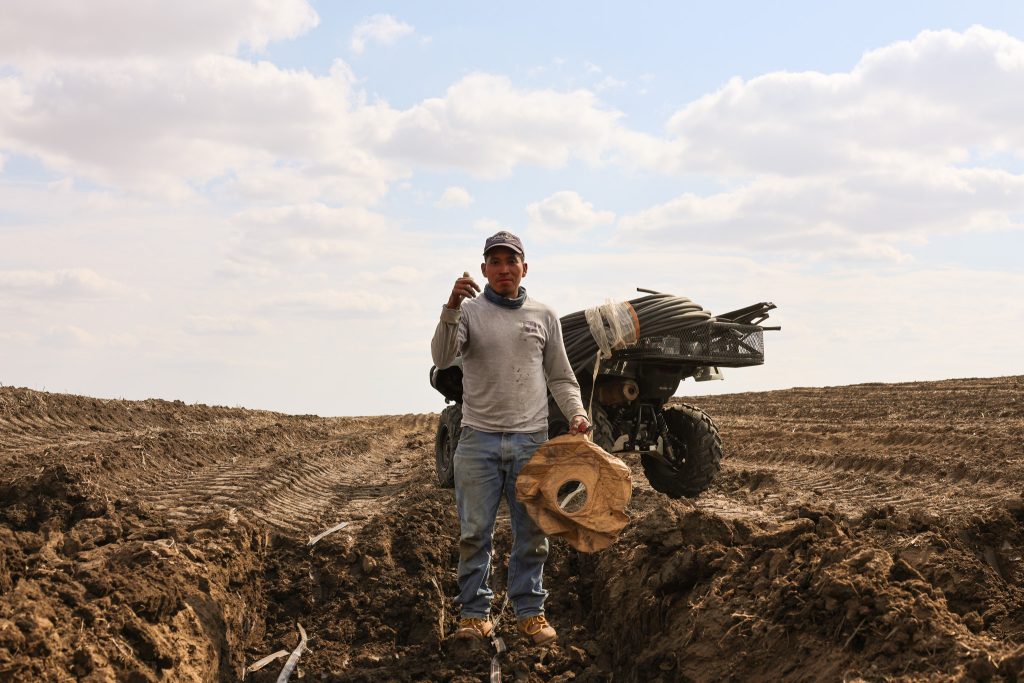
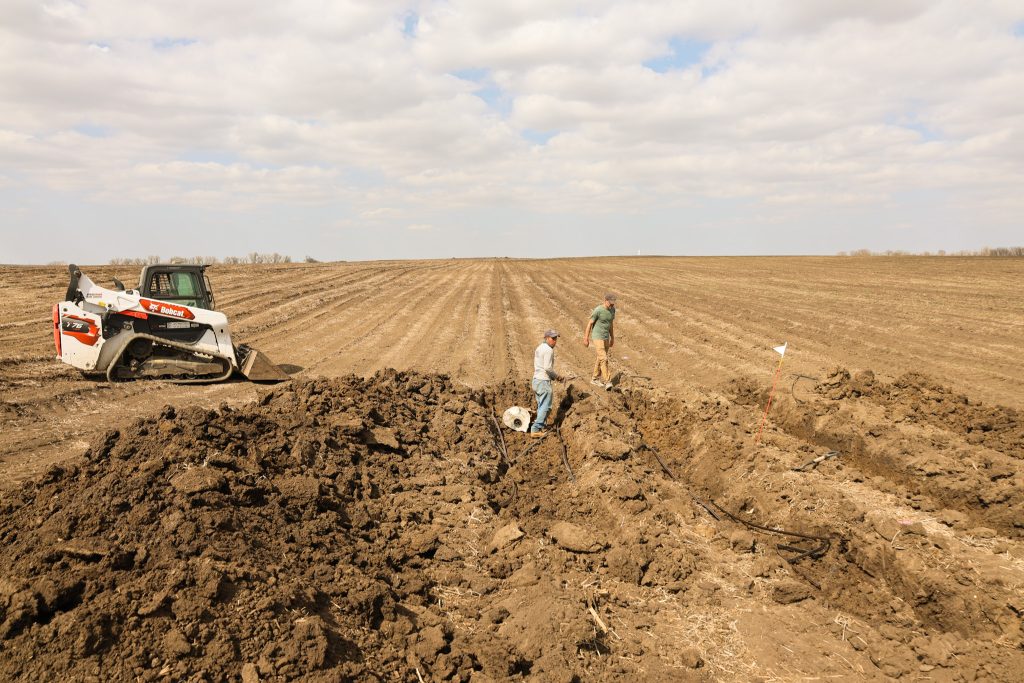
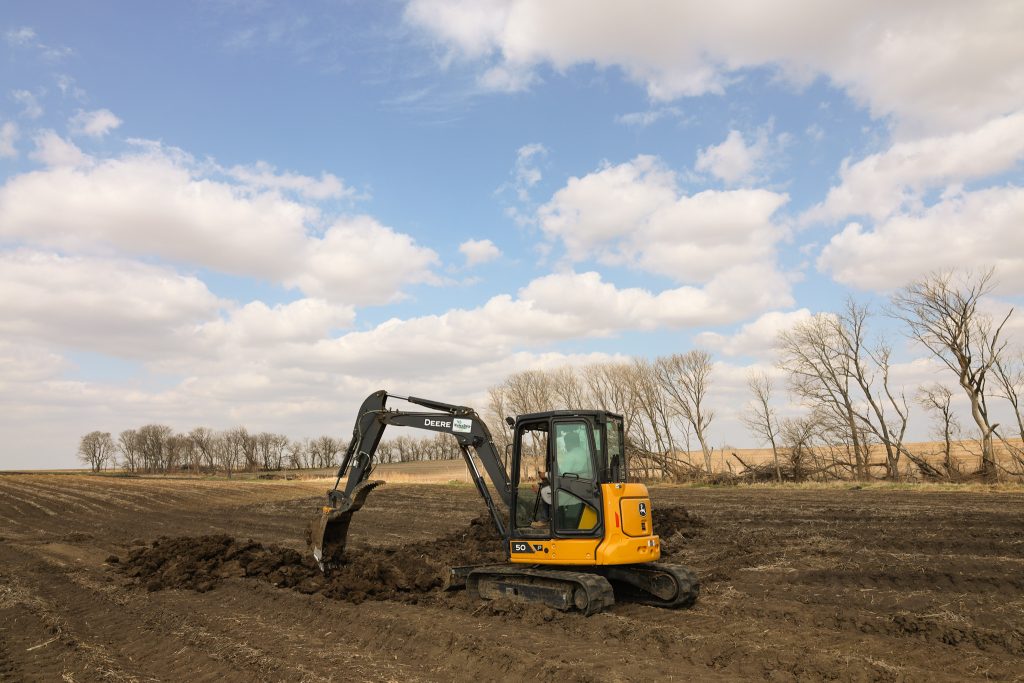
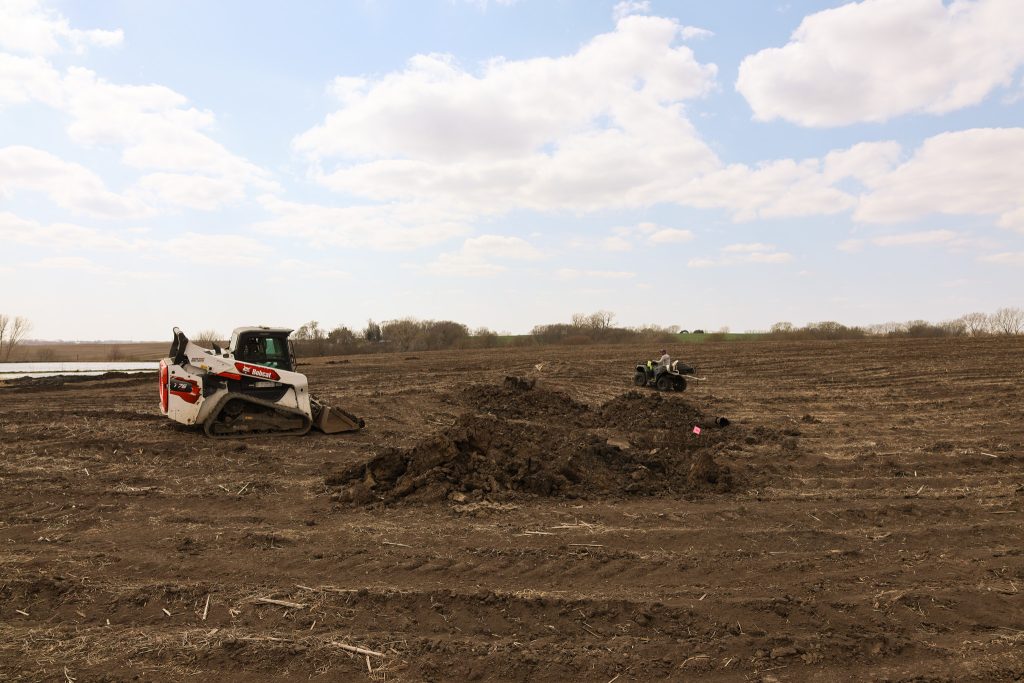
Crews often use four-wheelers to quickly cover ground across the field, while drones may be used to help identify potential problem areas. If a section of tape needs repair, a mini excavator can be used to carefully expose the area so the crew can fix the issue.
Once the repair is complete, a skid steer operator covers the area back up, restoring the field surface.
These final inspections and repairs ensure the system is running correctly before it is considered finished.
Installing and Programming Controllers
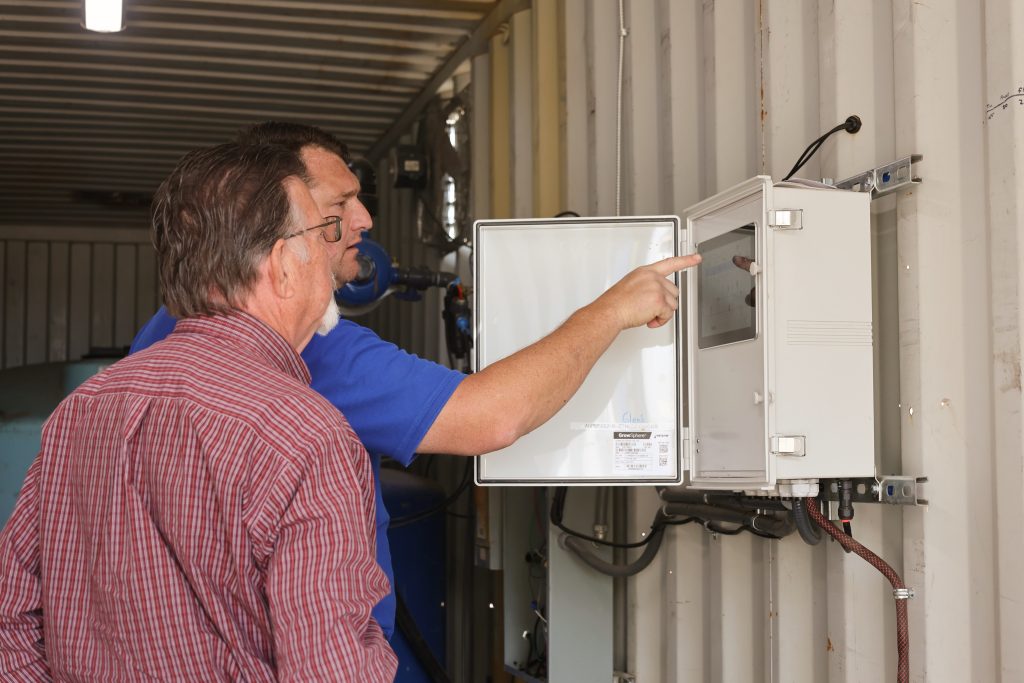
The next step is installing the irrigation controller.
Controllers act as the command center for the system, allowing growers to schedule irrigation, manage zones, and control when water moves through the system.
Once installed, the controller is programmed to match the layout of the field and the irrigation zones that were created during installation. This allows water to be applied efficiently and precisely across the field.
Modern irrigation controllers also give growers the ability to monitor and adjust their systems more easily, helping them respond to changing field conditions throughout the growing season.
Training the Customer
One of the most important steps in the entire installation process is customer training.
Once the system is operational, the NutraDrip team walks through the system with the grower. This includes explaining how the zones are laid out, how to operate the controller, and how to monitor the system.
Growers learn how to start and stop irrigation, flush the system when needed, and identify potential issues before they become problems.
Because an SDI system isn’t truly complete until the grower understands how to run it confidently.
Ongoing Support
The installation may be complete, but the relationship doesn’t end there.
At NutraDrip, we don’t install a system and walk away. We’re always available to answer questions, provide support, and help ensure the system continues to perform the way it should.
Whether it’s during the first season or years down the road, support is always a call away.
Completing the Installation
Installing a subsurface drip irrigation system involves many steps, from soil preparation to infrastructure installation and system testing.
Each stage of the process builds on the one before it, resulting in a system designed to deliver water and nutrients directly to the crop’s root zone with efficiency and precision.
By the time the final checks are complete and the grower has been trained, the system is ready to begin doing what it was designed to do—deliver reliable irrigation beneath the surface for years to come.
Following the Full Install Process
Throughout this SDI Install Series, we’ve covered every stage of installing a drip irrigation system:
- Securing the tape and installing the system backbone
- Connecting the system and building the control center
- Final checks
While many parts of the system end up underground and out of sight, each step is essential to building an irrigation system that performs reliably season after season.